

Client: Lake Macquarie City Council, NSW
The secret isn’t the data. It’s what you do with it.
Lake Macquarie is bucking the satisfaction trend, with 120 people from across the council turning up to hear what their community has to say.
Place Score collects community data from across Australia, providing a unique view into how people experience their places and local government services. And while the broader picture is increasingly challenging, it’s always exciting to see one of our partners bucking the trend.
Lake Macquarie City Council’s 2026 service satisfaction survey is a great example. At a time when cost-of-living pressures are rising, and trust and satisfaction with councils are under pressure, Lake Mac’s latest results tell a more positive story. Without giving away the numbers, Council achieved a strong, representative sample and improved its overall service satisfaction.
So, what is Lake Mac doing differently?
120 people in a room, that says something
When Place Score presented the latest results, around 120 people from across the organisation came along to hear what their community had to say.
That number matters.
This wasn’t just the engagement team, senior leadership or those responsible for collecting the data. Staff from across Council came to understand the results, ask questions and explore what the findings could mean for their own work.
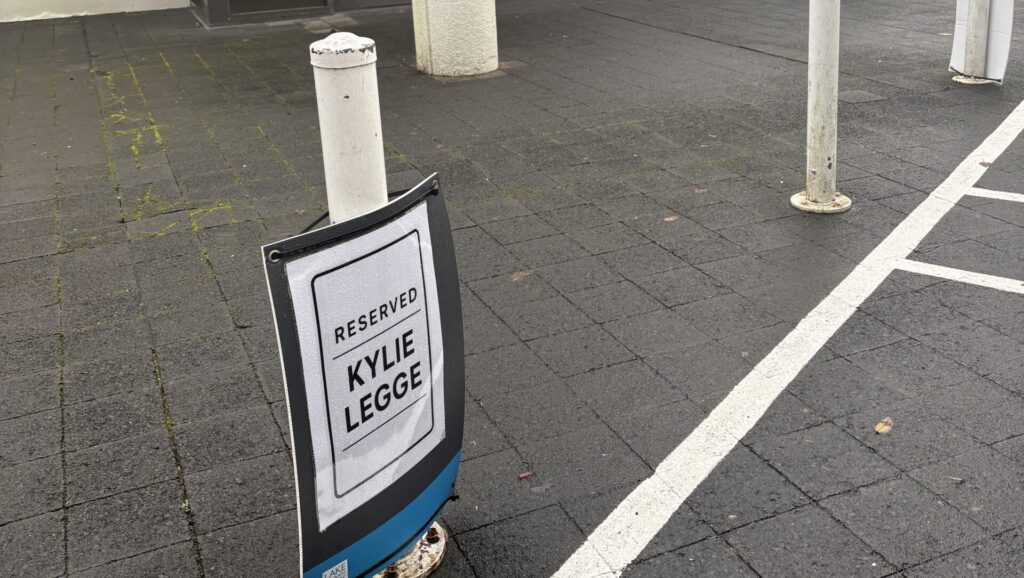
The way the presentation was organised made it clear this wasn’t another research report to file away in a bottom drawer. Council deliberately created space for the conversation.
And it continued. By the next day, teams and individuals were already reaching out to dig deeper into the data.
That level of internal curiosity raises an interesting question: could collaboration around community evidence be part of the reason Lake Mac continues to perform strongly?
Listening consistently, but not being afraid to change how you listen
Lake Macquarie has a long history of listening to its community, with consistent community research stretching back to 1999.
Consistency, however, doesn’t have to mean doing the same thing forever.
Communities change. Expectations change. The pressures facing households change. And the ways councils need to listen and respond must evolve too.
Lake Macquarie’s move to Place Score’s Liveability Platform and Service Monitor reflects that evolution, maintaining the commitment to consistent community listening while strengthening how evidence is collected, connected and used across the organisation.
From community engagement to community-led decision-making
Across NSW, expectations around meaningful community engagement are continuing to grow. But being community-led is about more than meeting a state-mandated reporting requirement or asking residents what they think at a particular point in a project.
The bigger opportunity is making community evidence part of everyday decision-making.
Individual projects will always generate questions. Vocal groups will always have important perspectives to contribute. But those voices sit within a much larger community.
Having a centralised evidence base gives teams another way to ask:
- What is the broader community telling us?
- Is this an isolated issue or a shared priority?
- Who experiences this differently?
- What evidence do we have to support the decision we are making?
Having that information readily available, rather than being siloed within one team, one report or one engagement project, can fundamentally change how a council mines community insights.
Not everyone needs to be a data nerd
Not everyone across Lake Macquarie City Council needs to become a data expert. But everyone can think community, talk community and use community evidence in their work.
When a project begins, the data can establish context. When priorities compete, it can broaden the conversation beyond the loudest voices. And when investment decisions need to be made, it can help teams understand where change could have the greatest impact.
That turns community research from something Council does into something Council uses.
Of course, it would be too simple to say collaboration alone leads to higher satisfaction. But Lake Mac offers an interesting example of what can happen when community evidence isn’t owned by one team.
When 120 people want to hear the results, and teams are asking to dig deeper the very next day, the research has moved beyond measurement. It has become part of the organisation’s culture.
And perhaps that is where genuinely community-led decision-making starts.
Want to know more? You can hear it directly from us!
