Client: Noosa Shire Council | Project timeframe: 2021-2029
“One thing that I find useful about the Liveability Platform is is that the process helps to identify the values, strengths, and opportunities to improve the liveability of a location which is very helpful for the organisation. Likewise, with the Service Monitor, we can see where our strengths align with the liveability values really clearly…”
Michelle Tucker | Principal Strategic Planner, Strategy and Environment Department, Noosa Shire Council
The problem
With multiple projects running in parallel, Noosa Council faced increasing pressure to engage the community repeatedly, without always achieving truly representative results that would actually help decision making.
Previous engagement approaches were time-consuming and costly. This included more than 5,000 phone calls and many human hours, yet the sample was still not fully representative. To fill the gaps, the data had to be heavily weighted, and residents were often asked to rate services they were not familiar with.
Despite the effort involved, the results were hard to compare over time and difficult to reuse across different projects. Most importantly, it was challenging to clearly understand why the results mattered or to build a reliable evidence base to support long-term policy, sustainability, and planning decisions.
The solution
Noosa first engaged with Place Score in 2021, delivering a Shire-wide Liveability Survey to establish a robust baseline of community sentiment and place experience. This marked the beginning of an ongoing, four-year cycle of data collection designed to track change over time.
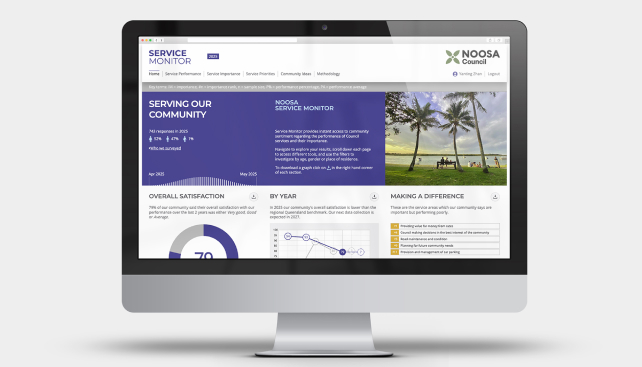
In 2025, Noosa became the first council to onboard to Place Score’s Service Monitor tool. With the Liveability Survey and community satisfaction surveys now running in alternating years, Noosa has established a continuous measurement loop. This approach links liveability outcomes with council service performance, creating a consistent, honest, actionable evidence base to support long-term decision-making and the sustainable delivery of community engagement.
The outcome
Noosa now has a genuinely representative and repeatable evidence base that supports clearer, more confident decision-making across the organisation. By moving beyond one-off engagement and introducing more honest ways of capturing community feedback, the data has become a practical tool for understanding not just what people think, but why and where communication and engagement can improve.
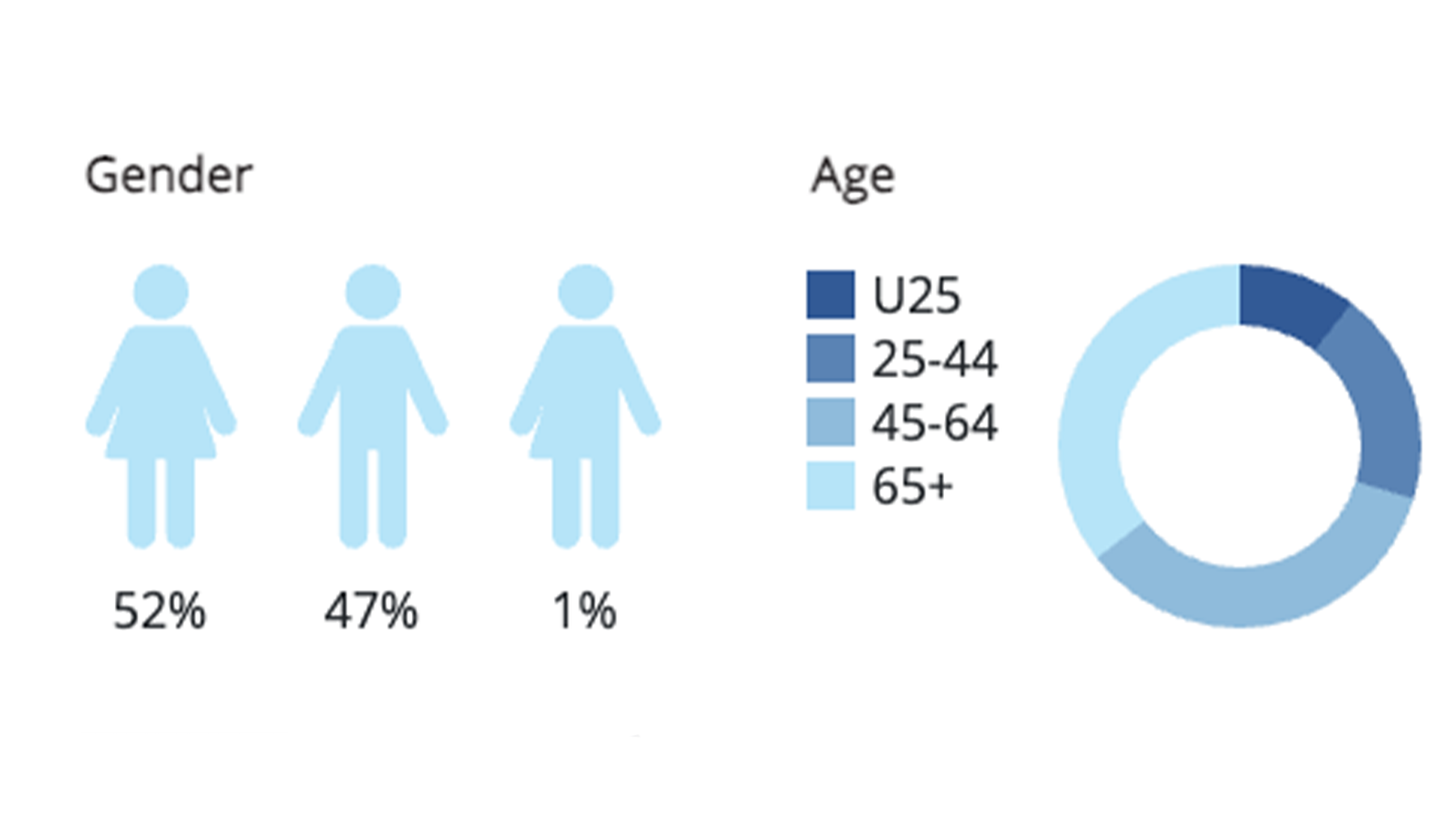
This has enabled Council to:
- Confidently explore differences across age and gender groups to better target services and engagement
- Reduce reliance on data weighting, increasing trust in the results
- Identify where “don’t know” responses signal low awareness in council services, creating opportunities for clearer communication and education
- Use a single dataset to support multiple projects, reducing engagement fatigue
- Shift data from static reporting output to dynamic data insights providing a shared foundation for internal discussion, external engagement, and long-term policy and sustainability planning